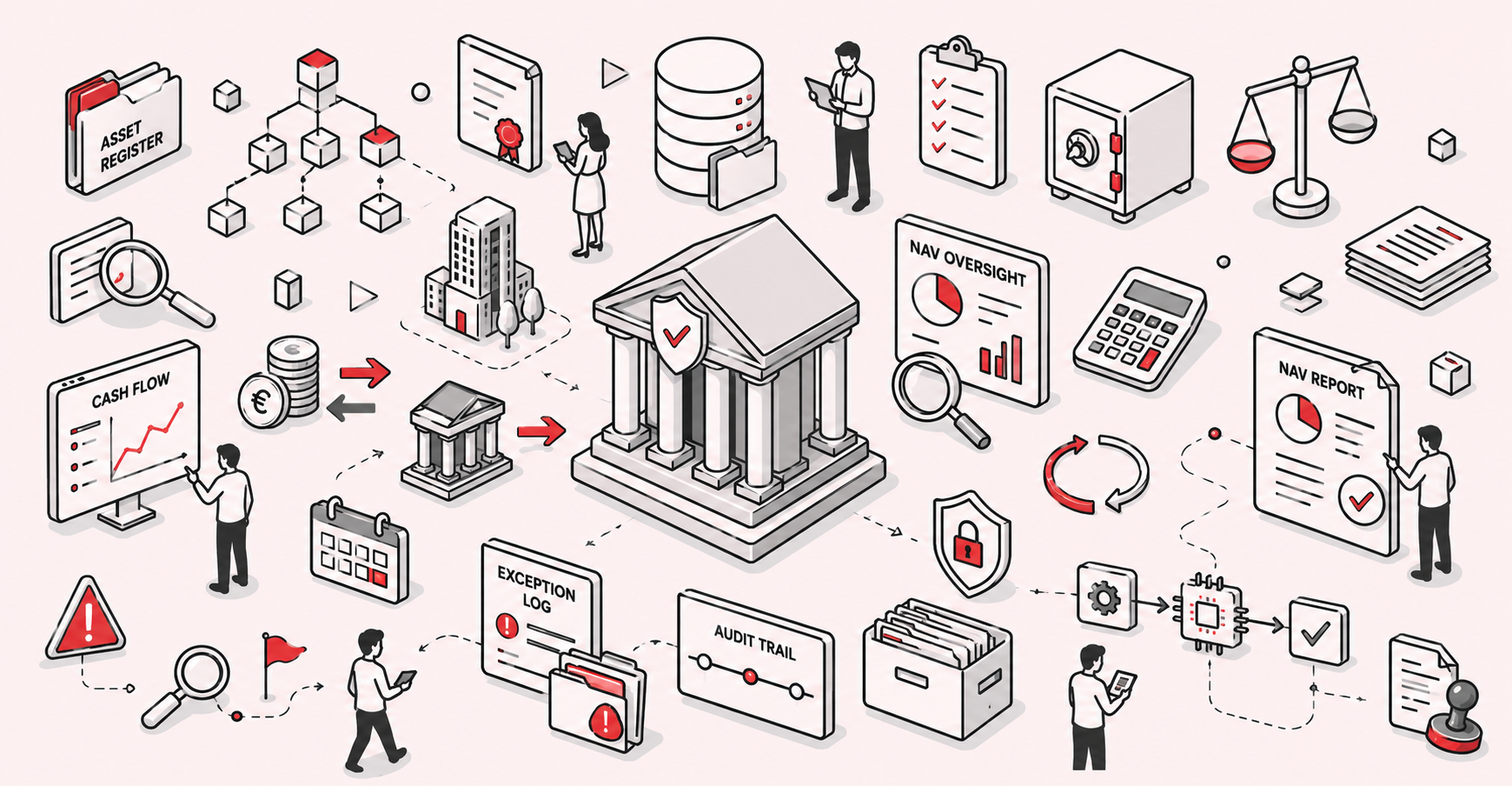
The work carried out across the funds industry is shifting faster than at any other point in the past decade. Many firms built their operations around deterministic workflows. These workflows worked well when data arrived in clean formats and followed predictable patterns. They delivered repeatable results and helped teams manage scale without losing control.
That world has changed.
Private markets have grown at a rapid pace and brought a different data profile with them.
Unstructured documents.
Free-form reporting.
Unique deal terms and one-off data points.
Files that look different from one manager to the next.
Teams now work across spreadsheets, PDFs, emails, XML, APIs, JSON, TXT files, portals and data rooms. They spend more time reshaping data than analysing it. Deterministic workflows can’t carry the full load anymore because they expect structure the real world no longer provides.
A broader toolkit is taking shape.
|
|
This mix creates a workflow model that fits the new demands of private markets. Firms get the predictability of rules and the flexibility of AI. People stay in control without carrying out every task.
Over time, this blended approach will become standard across the middle and back office.
- Deterministic steps will run in the background and take care of routine work.
- AI Agents will manage documents, match data, classify records and handle exceptions.
- Teams will supervise the entire flow through dashboards that show progress, risks and unresolved items.
The shift isn’t theoretical. It’s already underway.
At Fund Recs, we’re building the foundation for this future.
- Our automation library covers the core workflows used across funds operations.
- AI Agents are being introduced to interpret unstructured data and support exception handling.
- Workflows are being redesigned into smaller components that can be combined through simple configuration.
- Middle and back-office teams will work from a library of pre-built workflows tailored to recurring tasks across the industry.
- Firms will adjust or expand these workflows in real time without writing code.
The long-term direction is clear.
Most workflows will be ready on day one. Changes driven by new regulations or market conditions will take minutes, not months. AI Agents will handle data in any format, including documents that used to require hours of manual effort. Humans will confirm the final decisions and move on.
This approach gives firms a clearer path to scale and reduces the reliance on manual work that slows teams down. It creates a system where rules, AI, and people work together to deliver consistent outcomes across every part of the process.
|
|
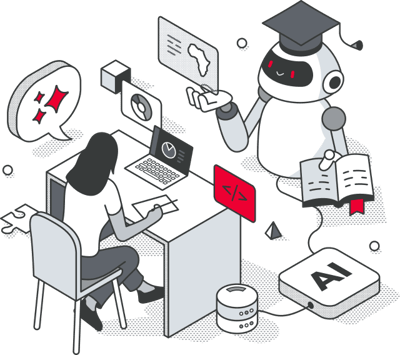
The future of workflows is a hybrid model.Rules for structure. |